Our faith
The Coptic Orthodox Church
One of the oldest Christian communities in the world, born in first-century Egypt. A short introduction for anyone who does not know us yet.
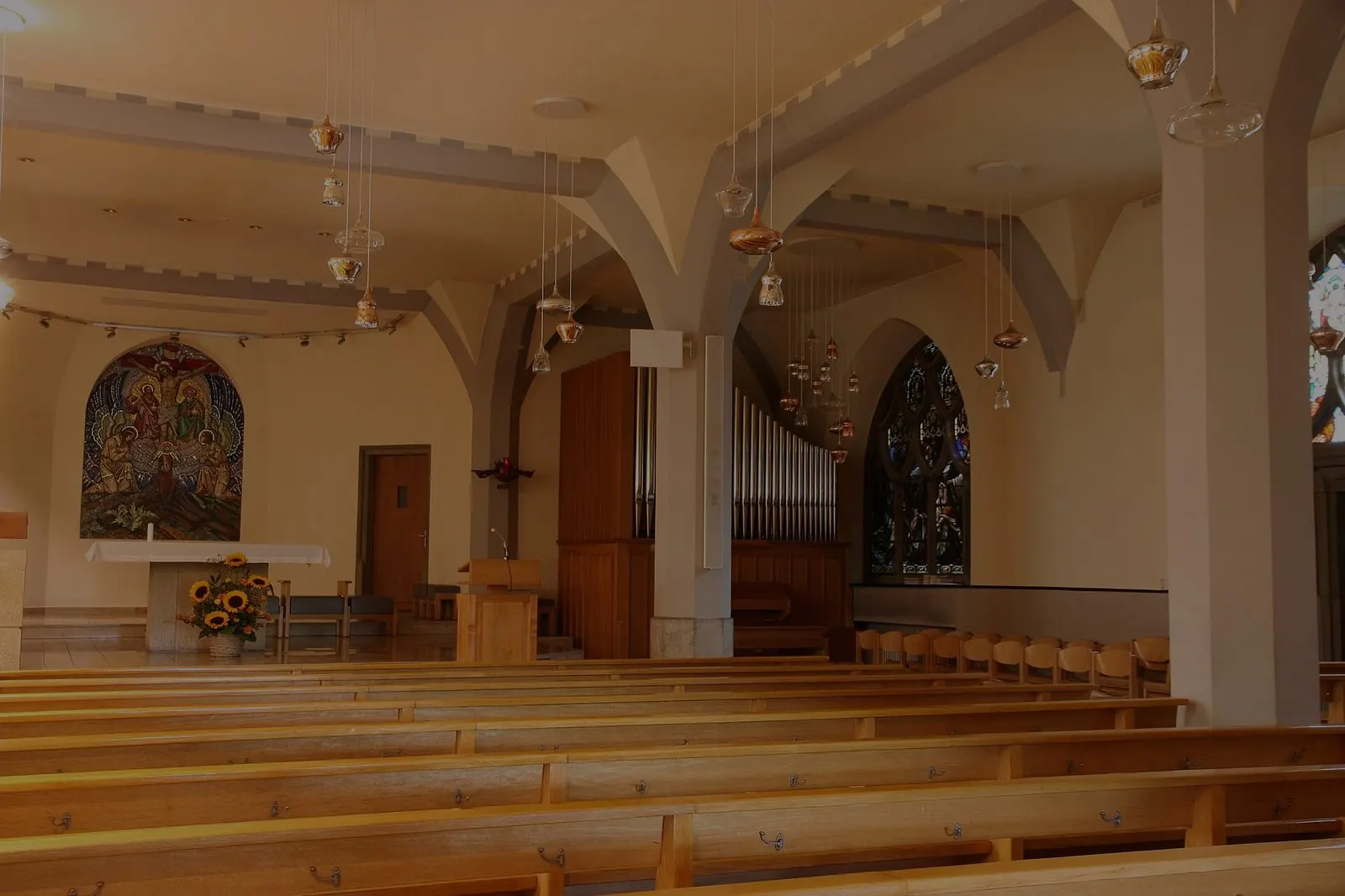
Who are the Copts? This page tells the story in five short chapters: from St Mark’s preaching in Alexandria to our parish in Biel.
Chapter I
The Church of St Mark
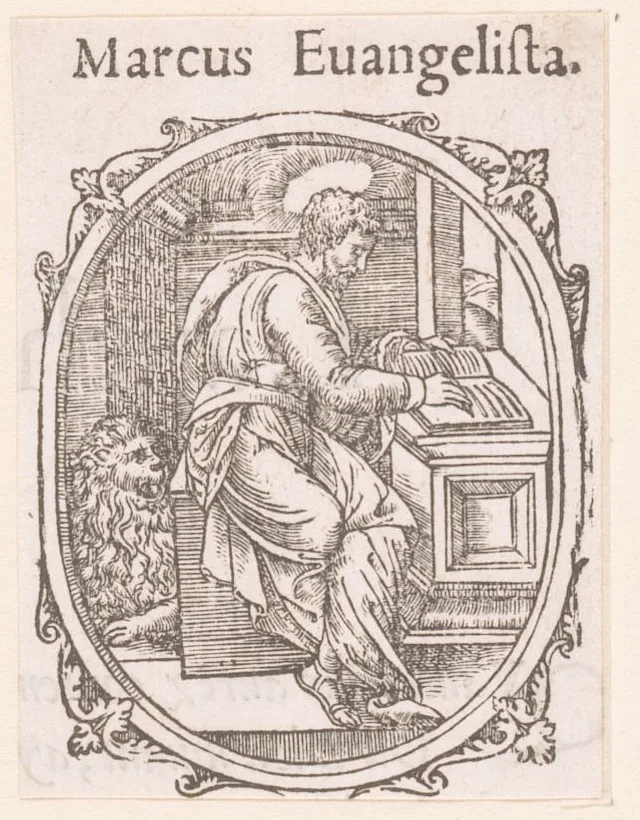
Its roots reach back to first-century Egypt, when the evangelist Mark brought the Gospel to Alexandria. From that founding an unbroken line has grown: Pope Tawadros II is today the 118th successor of St Mark at the head of the Church.
The word "Coptic" comes from the Greek word for Egypt. Copts are therefore simply the Christians of Egypt.
Chapter II
The cradle of monasticism
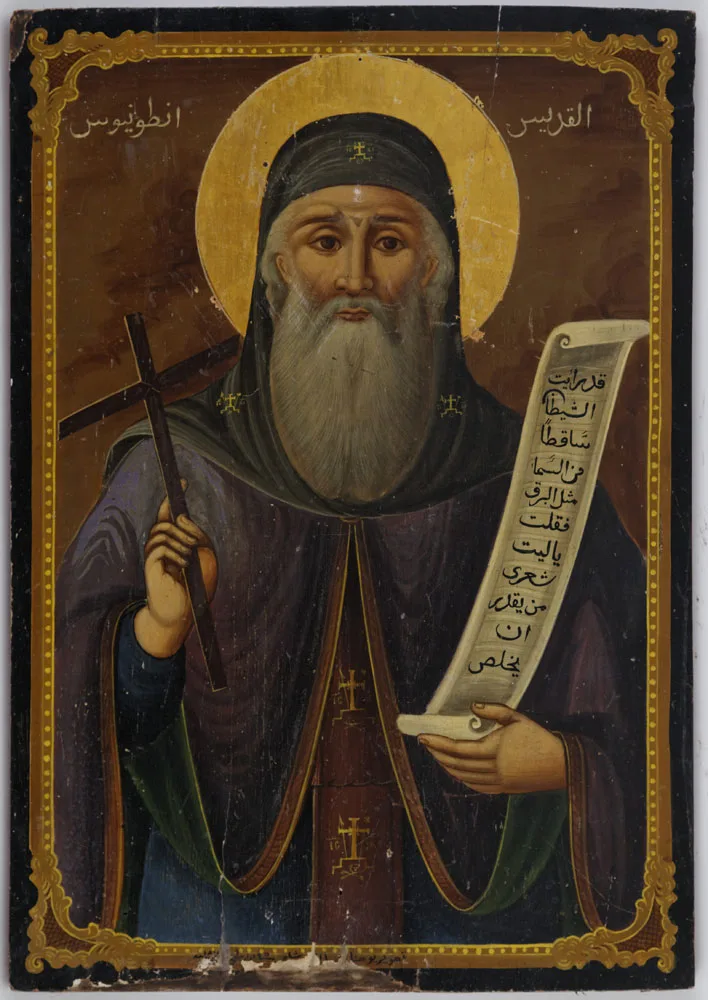
In the Egyptian desert, Christian monasticism began in the third century with St Anthony. From there it shaped the whole of Christendom, East and West.
That deep, quiet spirituality of the desert the Coptic Church still carries within it, even in a parish in the middle of Switzerland.
Chapter III
A calendar of its own
The Coptic Church follows a calendar descended from that of ancient Egypt: thirteen months, twelve of thirty days and a short thirteenth of five or six.
Years are counted from 284, the accession of Diocletian, under whom many Coptic martyrs died. Hence the name Anno Martyrum, the year of the martyrs. This is why Christmas falls on 7 January and Easter usually on a different date from the West.
The thirteen months of the Coptic year
- 1Thout
- 2Paopi
- 3Hathor
- 4Kiahk
- 5Tobi
- 6Meshir
- 7Paremhat
- 8Parmouti
- 9Pashons
- 10Paoni
- 11Epip
- 12Mesori
- 13Nasie
Chapter IV
Mary and the saints
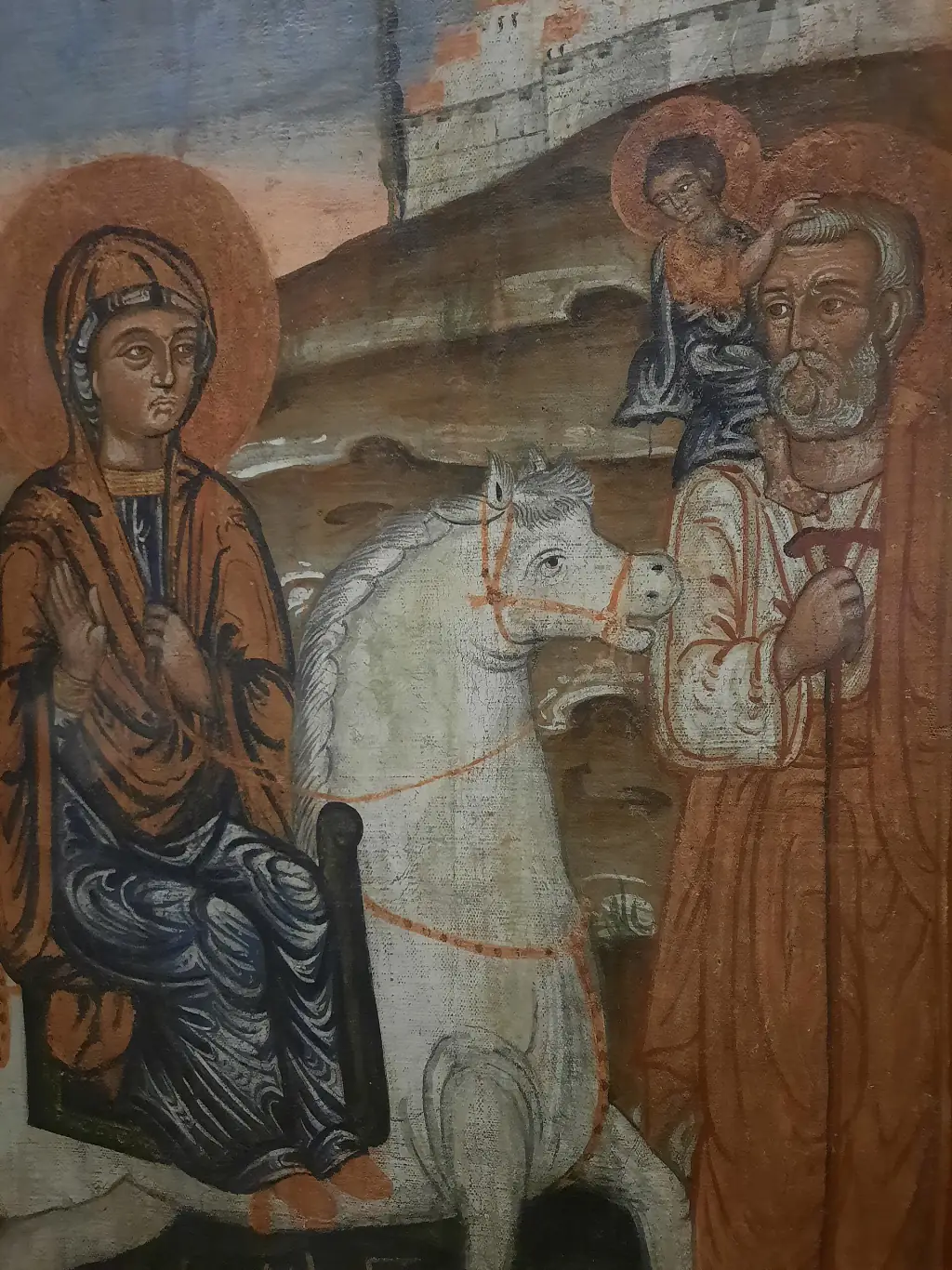
A deep veneration of the Mother of God marks Coptic piety, as does the remembrance of the saints and martyrs.
At the heart of Coptic identity lies the flight of the Holy Family into Egypt: Christ himself was, as a child, a guest in that land.
Chapter V
In Switzerland
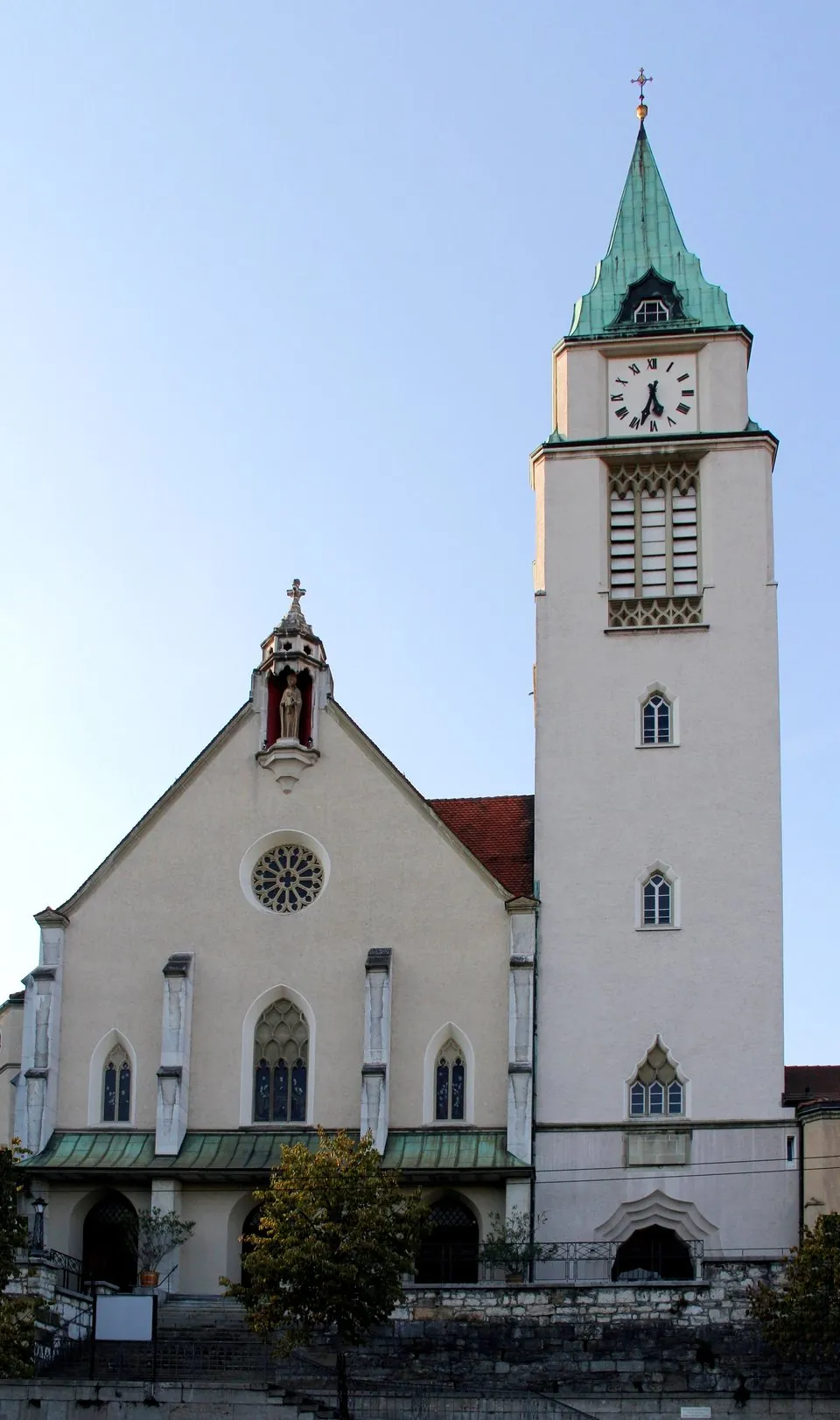
Across Switzerland several hundred Coptic families celebrate the same faith. In church terms the country is divided in two: the parishes of German-speaking Switzerland (Biel, Belp, Olten, Basel, Grafstal and Dietlikon) belong to the Diocese of Austria and German-speaking Switzerland, based in Vienna. They have their own churches in Grafstal and Dietlikon; the others are guests in other churches. The parishes of French-speaking Switzerland (Meyrin and Chambésy near Geneva, Lausanne, Yverdon-les-Bains and Delémont) belong to the Diocese of French-speaking Switzerland and Southern France under Bishop Anba Louka, based in Geneva. The community in Ticino is served by the Coptic Diocese of Milan.
Our parish in Biel belongs to the Diocese of Austria and German-speaking Switzerland, seated in Vienna under Bishop Anba Gabriel. For over 30 years we have celebrated here, hosted in the Catholic church of St Maria.
The whole story of the Copts in Switzerland: From Thebes to the Limmat ›
Get to know us
The simplest way to understand a church is to be there once. Guests are welcome at any time.
Image credits: Kerzen im Kirchenraum: Foto Steve Sharp, Unsplash · Der Evangelist Markus, Holzschnitt 1547, Rijksmuseum Amsterdam, CC0 · Der heilige Antonius, koptische Ikone, gemeinfrei, via Wikimedia Commons · Ikone der Flucht nach Ägypten, Koptisches Museum Kairo: Foto Ahmed Nagy, CC BY-SA 4.0, via Wikimedia Commons · Kirche St. Maria, Biel: Foto Tankstellenidau, CC BY-SA 3.0, via Wikimedia Commons